All about Cholera
Cholera, one of the deadliest diseases on earth, is responsible for the death of 143,000 people each year. It is a disease of a short incubation period of two or three days, and without proper treatment, could lead one to death within hours. However, cholera is at the same time an easy treatable disease, whose treatment involves rehydration, done through the oral rehydration therapy. With proper treatment, the mortality rate decreases to only 0.8%.
Who discovered Cholera?
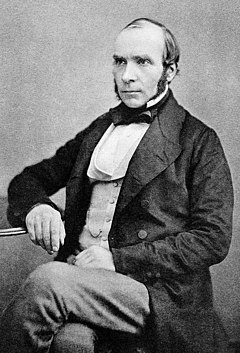
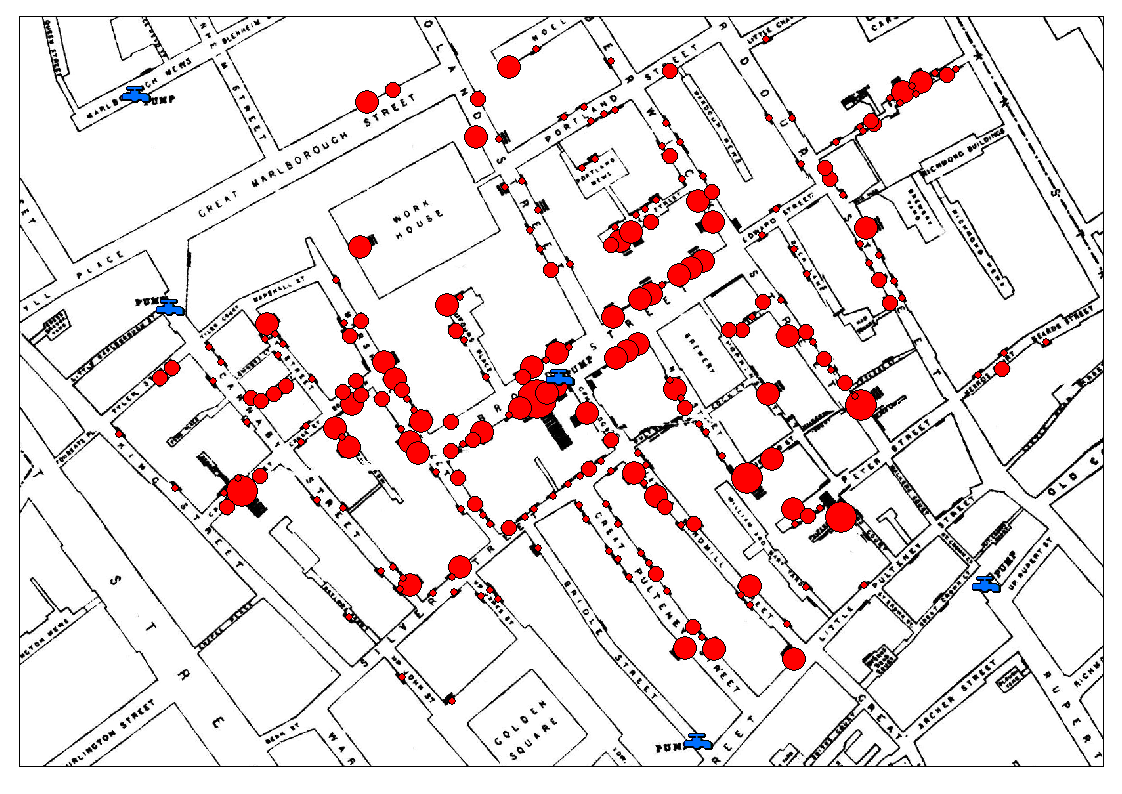
 John Snow lived where the sewage system was poor. September 1854, cholera occurred in the Soho district, driving the people in the village to death. Although everyone in the village believed that the disease came from London’s terrible air pollution and undeveloped sewage systems, John Snow doubted this idea and tried to look into the real cause of the disease. His first attempt was to map 13 wells in the village to find the origin of the disease. Then, he collected the water samples from each well and discovered ‘white, flocculent particles’ in the road Street samples. Having removed the pump handle from the Broad Street pump, he could see the result that spread of cholera stopped.
He created another map to support his theory - the map of distribution of cholera deaths and location of wells. He realized that only few people were infected by cholera in the north of Broad Street. The reason for this was because they owned well that is not infected with cholera. Also, he found out that only one of brewery workers suffered cholera in the same region, because hey drank beer instead of water and the fermentation killed the cholera bacteria.
Despite his research, he could not find the exact cause of the disease, so people continued to believe that the disease is airborne.
 Filippo Pacini is was a famous anatomist. His research on cholera shows his extraordinary expertise in using the microscope. In 1854, Florence was under a terrible cholera outbreak. Pacini had the opportunity to examine the corpses of the patients who died in the public hospital of Santa Maria Nuova and those of the washerwomen in charge of the cleaning of the hospital linen. From the examination of the corpses, he found that there are many similarities in the autopsy records for the patients and the washerwomen, and, in their faeces, he identified millions of elements in the faeces and intestinal mucosa of the dead/infected and called them ‘vibrions’. By processing his specimens with water, salt, and sublimate, he isolated the agent that he considered to be responsible for the disease. Finally, he realized that the real cause for the disease was a ‘living organism’ that ‘can be seen, exist, but not presumed’.
What causes Cholera?

Cholera infection caused by a bacterium called Vibrio cholerae. This bacterium produces a potent toxin called CTX that induces the deadly effect of the disease such as diarrhea and high fever. Once CTX is produced, it then binds to the intestinal walls of the patient, where it interferes with the normal flow of sodium and chloride. This causes the body to secrete enormous amounts of water, leading to diarrhea and a rapid loss of fluids and salts.
Global distribution

Cholera is a waterborne disease with its main source of of infection being contaminated water supplies, making LEDCs (Less Economically Developed Countries) especially vulnerable to the disease as people in these countries generally lack access to clean water supply. Apart from contaminated water, raw shellfish, uncooked fruits and vegetables, and other foods also can also harbor V. cholerae, inducing cholera when consumed.
Symptoms and Treatment
Symptoms of cholera include:
- Diarrhea. Cholera-related diarrhea comes on suddenly and may quickly cause dangerous fluid loss — as much as a quart (about 1 liter) an hour. Diarrhea due to cholera often has a pale, milky appearance that resembles water in which rice has been rinsed (rice-water stool).
- Nausea and vomiting. Occurring especially in the early stages of cholera, vomiting may persist for hours at a time.
- Dehydration. Dehydration can develop within hours after the onset of cholera symptoms. Depending on how many body fluids have been lost, dehydration can range from mild to severe. A loss of 10 percent or more of total body weight indicates severe dehydration.
- However, most people infected with V.cholerae do not develop any symptoms, and of those who do develop symptoms, the majority have mild or moderate symptoms, with only the minority developing acute watery diarrhoea that leads to death.


Treatment
Despite being an easily treatable disease, cholera does require immediate treatment since the disease may lead to death within hours if left untreated. The treatment is mainly based on rehydration and oral rehydration therapy, which involves the use of oral rehydration salts.
Methods of treatment include:
- Rehydration. The goal is to replace lost fluids and electrolytes using a simple rehydration solution, oral rehydration salts (ORS). The ORS solution is available as a powder that can be used with boiled or bottled water.
- Intravenous fluids. During a cholera epidemic, most people can be helped by oral rehydration alone, but severely dehydrated people may also need intravenous fluids.
- Antibiotics. While antibiotics are not a necessary part of cholera treatment, some of these drugs may reduce both the amount and duration of cholera-related diarrhea for people who are severely ill.
- Zinc supplements. Research has shown that zinc may decrease and shorten the duration of diarrhea in children with cholera.
Bibliography



WWW: Visuals and great detail
ReplyDeleteEBI: Harvard referencing